How to Switch from Google Calendar to Proton Calendar
Seamlessly migrate from Google Calendar to Proton Calendar. Export events, import calendars, and enhance your digital privacy with this easy, step-by-step guide.
Why Switch from Google Calendar to Proton Calendar?
Google Calendar is ubiquitous and convenient, but like many Google services, it comes with a trade-off: your privacy. Google’s business model often relies on collecting user data to serve targeted advertising and improve its products. This means your calendar entries, event details, and even location data can be analyzed, contributing to a comprehensive profile of your life.
Proton Calendar, on the other hand, is built with privacy and security as its core principles. As part of the Proton ecosystem (which includes Proton Mail, VPN, Drive, and Pass), it offers end-to-end encryption for your events, titles, descriptions, and participants, ensuring that only you and your intended recipients can read your calendar information. Hosted in Switzerland, Proton benefits from strong Swiss privacy laws, providing an additional layer of data protection. By switching, you gain greater control over your personal data and significantly reduce your digital footprint tracked by large tech companies.
Before You Begin
Before diving into the migration process, take a moment to prepare:
- Backup Important Data: While this guide helps you migrate, it’s always wise to have a personal backup of your Google Calendar data before making any major changes. The export process described below serves as this backup.
- Organize Your Google Calendars: If you have many calendars, consider whether you want to merge some or keep them separate in Proton Calendar. Clean up any old, unused calendars in Google Calendar to simplify the migration.
- Notify Shared Calendar Users: If you share calendars with family, friends, or colleagues, inform them about your planned migration. They will need to accept new sharing invitations from Proton Calendar later.
- Internet Connection: Ensure you have a stable internet connection for downloading and uploading potentially large
.icsfiles.
Step-by-Step Migration
This section guides you through each stage of moving your calendar data.
1. Create Your Proton Calendar Account
If you haven’t already, sign up for a Proton Account at Proton.me. This unified account grants you access to Proton Mail, Calendar, Drive, and VPN. Once registered and logged in, navigate to Proton Calendar (usually accessible from the app switcher icon in the top left).

2. Export Your Calendars from Google Calendar
You’ll need to export each of your Google Calendars individually.
-
Open Google Calendar: Go to calendar.google.com in your web browser.
-
Access Settings: Click the Settings menu (gear icon) in the top right corner, then select Settings.

Click the gear icon and select 'Settings'. -
Select Calendar to Export: In the left sidebar, under “Settings for my calendars,” click on the specific calendar you wish to export (e.g., “Events,” “Work,” “Family”).

Choose a calendar from the left sidebar. -
Export Calendar: Scroll down to the “Calendar settings” section for that calendar and click on Export calendar. This will download a
.zipfile containing an.icsfile for that specific calendar.
Click 'Export calendar' to download your events. -
Unzip the File: Locate the downloaded
.zipfile (e.g.,[email protected]) in your downloads folder. Extract its contents. Inside, you’ll find an.icsfile (e.g.,[email protected]). Rename it if needed to easily identify it (e.g.,MyPersonalCalendar.ics). -
Repeat for All Calendars: Repeat steps 3-5 for each personal calendar you have in Google Calendar. Ensure you save each
.icsfile separately and give it a descriptive name.
3. Import Your Calendars into Proton Calendar
Now, you will import the .ics files into Proton Calendar.
-
Open Proton Calendar: Go to calendar.proton.me and log in.
-
Access Import Function: Click the Settings icon (gear icon) in the top right, then select Go to settings. In the settings menu, navigate to the Calendars section. Click the Import calendar button.

In Proton Calendar settings, click 'Import calendar'. -
Choose File and Destination:
- Click Select a file and choose one of the
.icsfiles you exported from Google Calendar. - In the “Import to” dropdown, you can either Create a new calendar for this imported data (recommended for clarity) or select an existing Proton Calendar.
- If creating a new calendar, give it a meaningful name (e.g., “My Google Personal Events”) and choose a color.
- Click Import calendar.

Select your .ics file and choose or create a destination calendar. - Click Select a file and choose one of the
-
Wait for Import: Proton Calendar will process the import. For large calendars, this might take a few moments. You’ll receive a notification upon completion.
-
Repeat for All Calendars: Repeat steps 3-4 for each
.icsfile you exported. Ensure each Google Calendar’s data is imported into its corresponding new or existing Proton Calendar.
4. Migrate Subscribed and Shared Calendars
Calendar subscriptions (e.g., public holidays) and calendars shared with you by others cannot be exported via .ics files. You’ll need to re-add them.
Subscribed Calendars:
-
Find Subscription URL: In Google Calendar, go to Settings -> select the subscribed calendar (e.g., “Holidays in United States”) -> scroll down to “Calendar settings” -> locate the Public address in iCal format URL. Copy this URL.
-
Add in Proton Calendar: In Proton Calendar, click the three dots next to “Other calendars” in the left sidebar, and select Add new calendar by URL. Paste the URL you copied and click Add.

Add public calendars using their iCal URL in Proton Calendar.
Shared Calendars:
- Identify Shared Calendars: In Google Calendar, note down who you shared calendars with, and who shared calendars with you.
- Re-share from Proton: For calendars you own and want to share, go to Proton Calendar, click the three dots next to the calendar name, and select Share. Enter the email addresses of the people you want to share with and set their permissions. They will receive an invitation to view/edit the calendar.
- Request Re-share: For calendars owned by others, you’ll need to ask them to share their calendar with your Proton Mail address.
5. Set Proton Calendar as Your Primary Calendar
To fully transition, make Proton Calendar your go-to for all new events.
-
Mobile Apps:
- iOS: Go to
Settings->Calendar->Default Calendar. Select your preferred Proton Calendar. - Android: This varies by device and calendar app. Generally, open your device’s default calendar app ->
Settings->Default calendarorNew event default. You may need to add your Proton Mail account to your device if you haven’t already. Proton offers a dedicated mobile app for Proton Calendar (available on App Store and Google Play Store). Install it and use it as your primary.
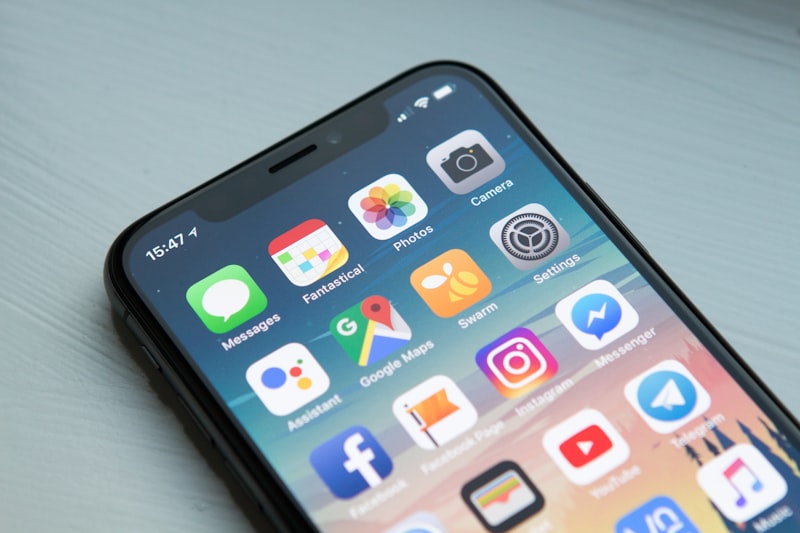
Install the Proton Calendar mobile app for a native experience. - iOS: Go to
-
Desktop Clients: If you use a desktop calendar client (e.g., Outlook, Apple Calendar, Thunderbird), you can integrate Proton Calendar using Proton Mail Bridge. This secure application runs in the background, encrypting and decrypting your data, allowing your desktop client to access Proton Mail and Calendar as if it were a standard IMAP/SMTP/CalDAV service.
Tips for a Smooth Transition
- Run Both in Parallel: For a week or two, keep both Google Calendar and Proton Calendar active. This allows you to double-check that all events have migrated correctly and provides a fallback if you encounter issues.
- Test New Events: Create a few test events in Proton Calendar, invite others, and see how notifications and invitations work.
- Update Event Invitations: If you regularly send event invitations, ensure you’re sending them from your Proton Calendar moving forward.
- Inform Contacts: Let frequent collaborators know you’ve moved to Proton Calendar and that new invitations will come from your Proton Mail address.
What You Might Miss (And Alternatives)
While Proton Calendar offers superior privacy, some features or integrations you might be used to in Google Calendar will differ:
- Deep Integration with Google Services: Google Calendar is tightly integrated with Gmail, Google Meet, Google Assistant, and Google Maps. Proton Calendar integrates with Proton Mail, Proton Drive, and Proton Meet (currently in beta). You’ll need to adapt to these new integrations or use a combination of tools.
- Smart Features: Google Calendar’s event creation often suggests locations, adds video conferencing, and automatically imports events from Gmail. Proton Calendar is more focused on secure event management. You’ll manually add details and conference links (e.g., from Proton Meet or other services).
- Advanced Search: Google’s powerful search might find events with very specific keywords across years. Proton Calendar’s search capabilities are evolving but may not be as extensive yet.
- Third-Party App Integrations: Many third-party apps integrate seamlessly with Google Calendar. As Proton Calendar grows, its API and integration options will expand, but some niche integrations might take time to appear.
Conclusion
Migrating from Google Calendar to Proton Calendar is a significant step towards reclaiming your digital privacy. While it requires a bit of manual effort, especially with exporting and importing, the peace of mind knowing your schedule is end-to-end encrypted and hosted in a privacy-friendly jurisdiction is invaluable. Embrace the transition, explore Proton Calendar’s features, and enjoy a more secure and private way to manage your time.